Why Your Tailbone Hurts After Rowing (It's Not the Machine's Fault)
Quick Answer: Tailbone pain on a rowing machine almost always comes from rocking your pelvis backward at the catch instead of hinging from the hips — fix your seat position before you blame the seat pad.
You add a gel cushion, you try padded shorts, and your tailbone still aches after every session. The seat isn’t the problem — it’s how your pelvis is loading it.
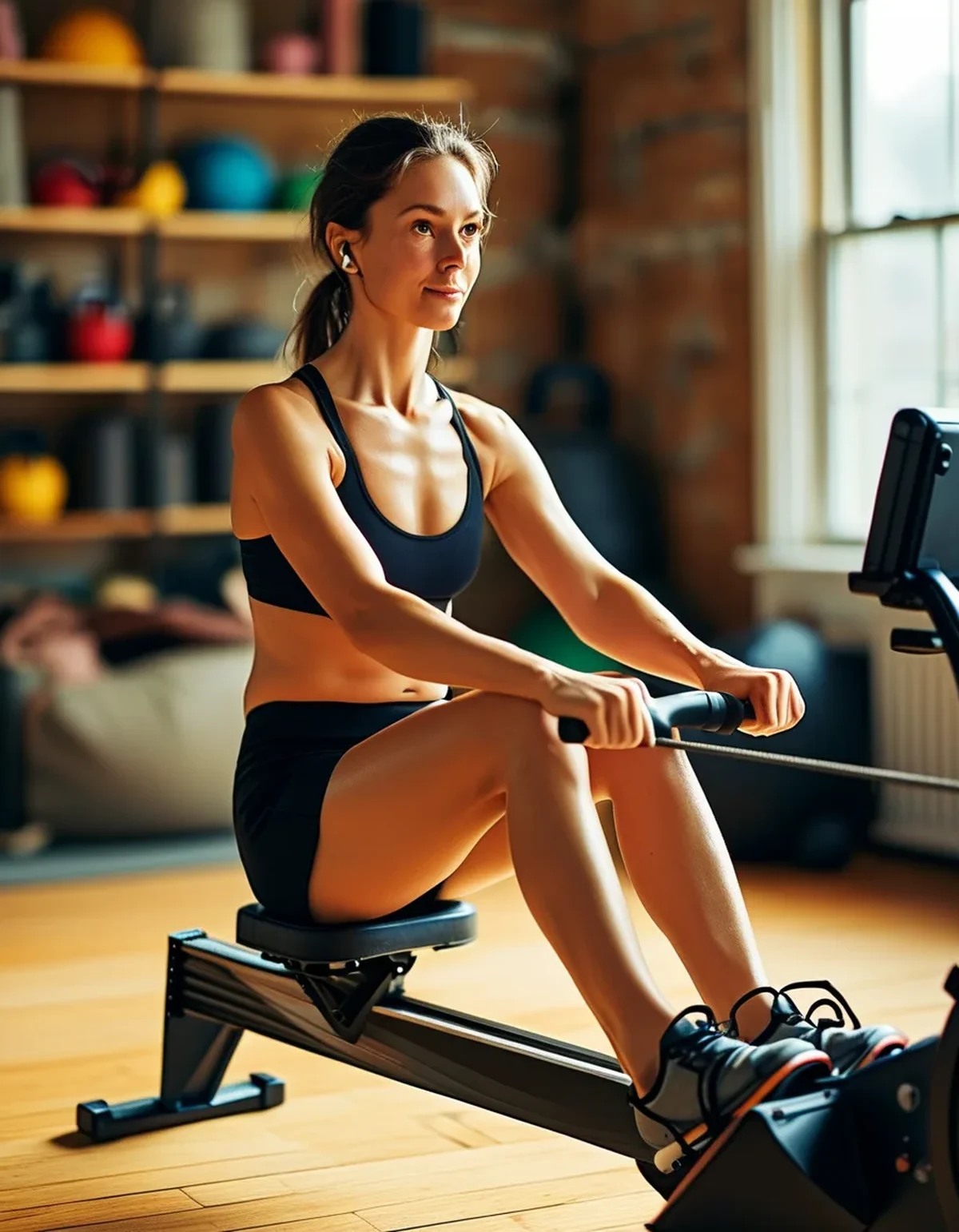
Why does rowing hurt your tailbone specifically?
At the catch (the front of the stroke), if you round your lower back and tuck your pelvis under instead of hinging forward from the hips, your tailbone takes direct pressure with every stroke instead of your sit bones sharing the load.
Over 20-30 strokes per minute for 20+ minutes, that repeated point pressure adds up fast — it’s a positioning issue, not a padding issue.
How should your pelvis actually move on the rowing machine?
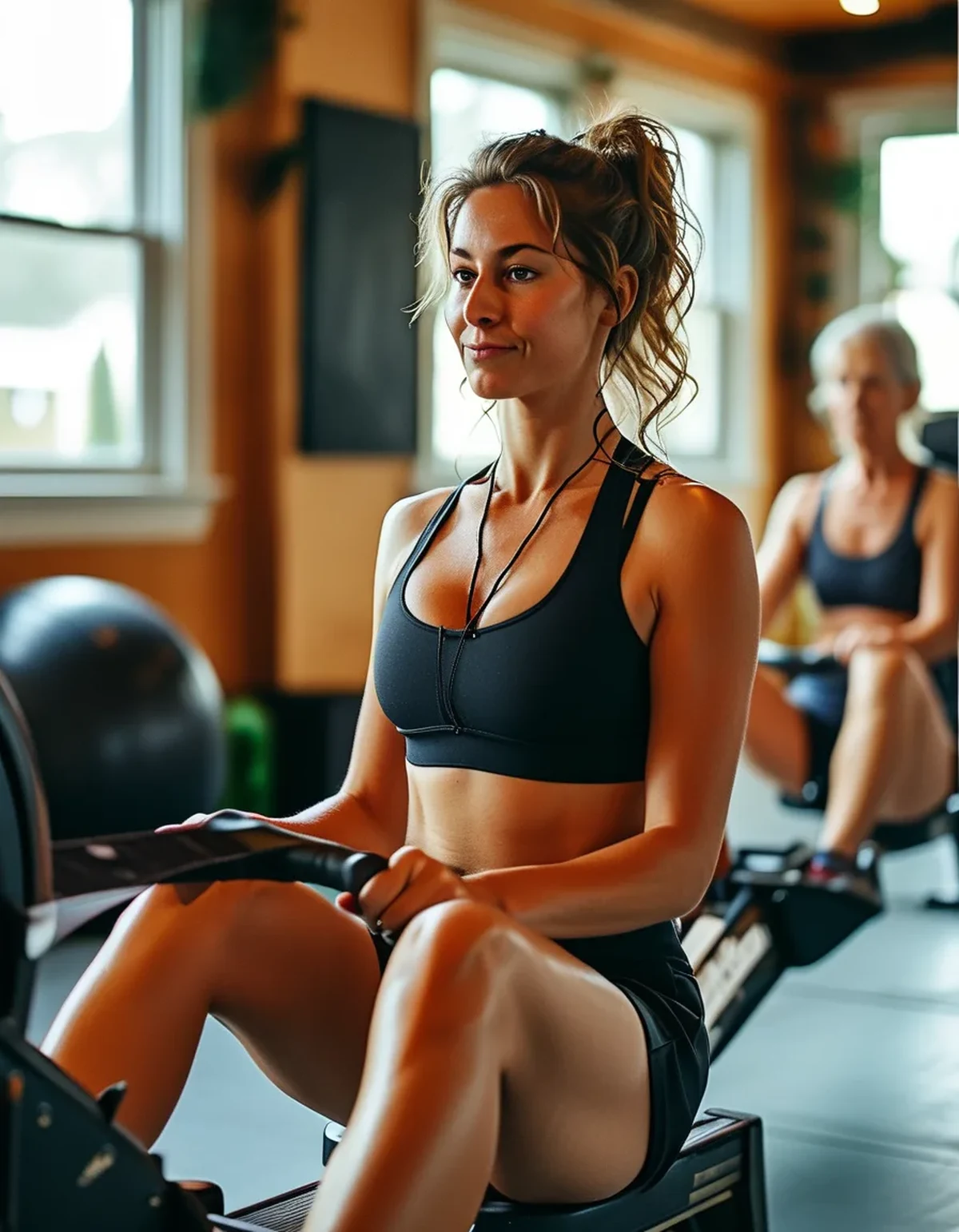
Think of hinging forward like a stiff pendulum from the hips, keeping a slight natural arch in your lower back all the way to the catch. Your sit bones — the two bony points you feel when you sit on a hard chair — should stay in contact with the seat, not your tailbone.
A quick check: sit on the rower, reach forward without moving the seat, and notice if your lower back rounds. If it does, you’re not flexible enough yet to reach full compression without tucking — stop a few inches short.
5 Mistakes That Make Rowing Seat Pain Worse
- Reaching too far forward at the catch, past your hamstring flexibility, forcing a pelvic tuck
- Slouching at the finish, rounding your upper back instead of leaning back tall
- Skipping a warm-up, so tight hamstrings pull your pelvis into a tuck from stroke one
- Ignoring foot strap height — straps too high or low change your leverage and posture
- Rowing through fatigue with sloppy form instead of shortening the session
Does a gel seat pad actually help?
A gel pad can take the edge off for beginners while you’re still fixing technique, but it treats the symptom, not the cause. If your pelvis is tucking under at the catch, a pad just delays when the pain starts, it doesn’t prevent it.
Use a pad short-term while you retrain your hip hinge, then wean off it once your form holds — most rowers who fix their catch position stop needing one within 2-3 weeks.
FAQ: Rowing Machine Pain Questions, Answered
Is rowing machine tailbone pain normal for beginners?
Some mild awareness is common in the first week, but sharp or lasting pain means your catch position needs adjusting, not that you should push through it.
How far forward should I reach at the catch?
Only as far as you can go while keeping your lower back’s natural arch — usually shins vertical and torso just past 90 degrees, not folded flat over your knees.
Should I stop rowing if my tailbone hurts?
Shorten your session and drop the intensity while you rebuild the hip hinge pattern; stopping entirely isn’t necessary for mild discomfort, but sharp pain is a sign to pause and reassess form.
TL;DR:
- Tailbone pain usually means your pelvis is tucking under at the catch, not a padding problem
- Hinge from the hips and keep sit bones (not tailbone) loaded
- Don’t reach past your hamstring flexibility
- A gel pad helps short-term while you fix the real cause
Give the hip hinge two focused weeks and most rowers find the pain disappears without ever touching the seat pad again.
Keep Reading
This article is for general informational and styling purposes only. Fit, sizing, and product availability may vary.