Why Rowing in Shoes Versus Socks Changes Your Entire Drive
Quick Answer: Shoes raise your heel roughly half an inch to an inch above the footplate, change the angle of your ankle at the catch, and sit the strap across a stiff structure instead of the soft top of your foot. Rowing in socks lowers you into a deeper catch that many people cannot reach with good posture, and lets the strap compress your foot rather than hold it. Neither is wrong — but switching between them mid-training block will make your splits look inconsistent for no visible reason.
Ask a room of rowers whether to wear shoes on the erg and you will get a confident answer in both directions. What almost nobody explains is why the two feel so different, which is a shame, because the mechanism is simple and it affects your stroke more than most technique cues do.
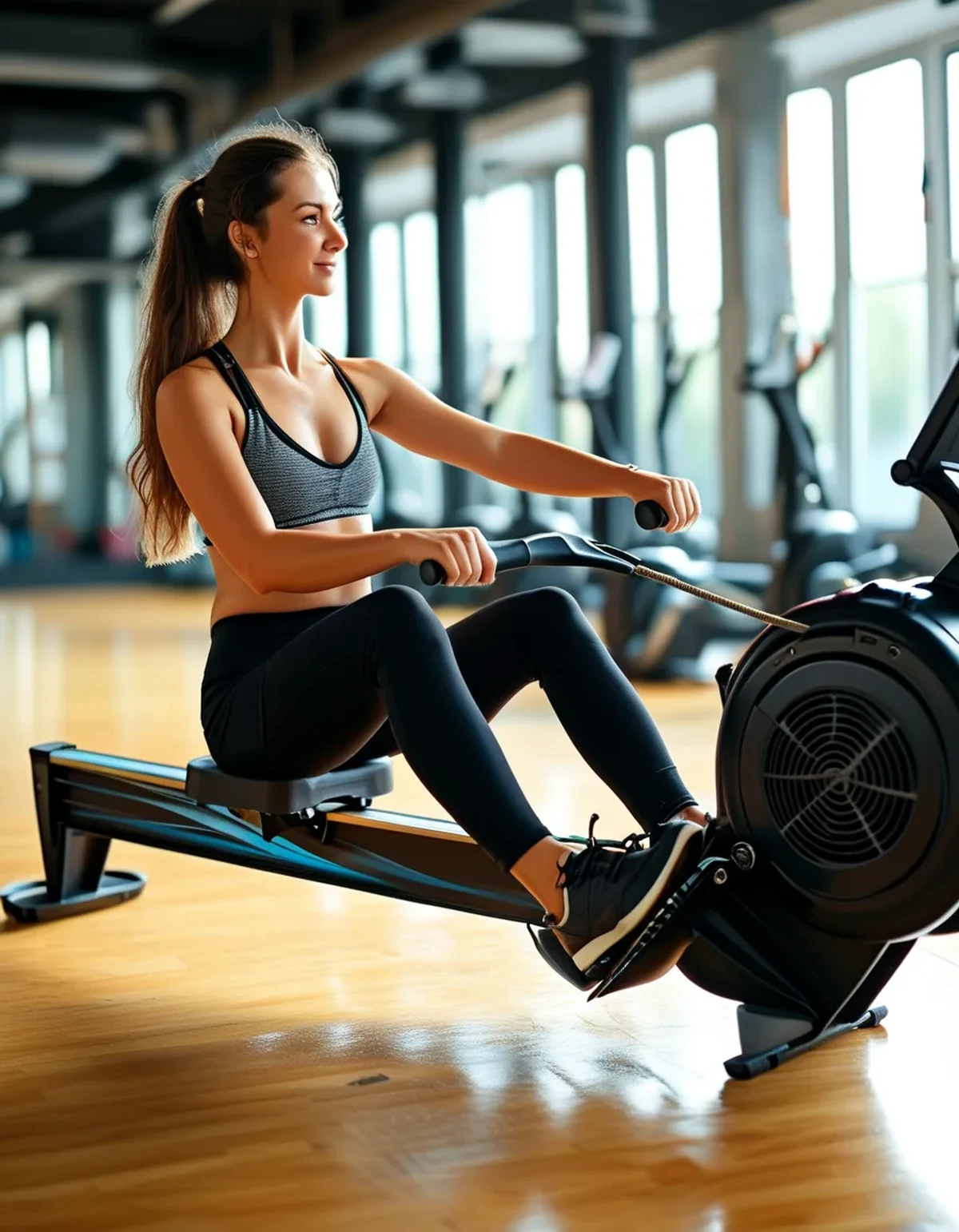
The footplate is a fixed geometry. Whatever you put between your foot and that plate changes where your heel sits, how far your shin can travel, and how the strap loads.
What does a shoe actually change at the catch?
Three things, and they compound.
Heel height. A typical athletic shoe puts 8 to 12 mm of material under your heel, sometimes more in a cushioned running shoe. That is a real change in ankle angle at the catch. With the heel raised, you reach full compression with less dorsiflexion — less shin-over-ankle range required. If your ankles are stiff, shoes let you get to a proper catch position you literally cannot achieve barefoot.
Sole stiffness. A shoe distributes your drive force across the whole footplate instead of through the soft structures of your foot. In socks, the ball of your foot takes almost all the load directly, which is why long sessions in socks often produce a hot spot under the forefoot.
Strap interaction. The strap is designed to sit across the widest part of a shoe, where there is structure to push against. Across a sock, the same strap tension compresses soft tissue. People compensate by tightening it, which then restricts blood flow — the most common cause of feet going numb on the erg.
Together these mean that switching to socks does not just feel different. It moves your catch angle, changes where force enters the chain, and changes how securely you are connected to the machine.
Why your splits change when you switch
Because the drive length changes, and drive length is a direct input to power per stroke.
A raised heel typically shortens the effective range slightly at the front end while letting you get to a more upright, better-braced position. A deeper sock-footed catch adds range but only helps if you can hold posture there. For most recreational rowers, the deeper position is where the lower back rounds and the shins pass vertical too early, both of which leak power.
The result is a small, consistent shift in splits that people usually attribute to fatigue or a bad day. Two seconds per 500 m is entirely plausible from a footwear change alone, and that is a large number when you are tracking progress week to week.
The secondary effect is on stroke rate. A slightly shorter drive tends to come with a slightly higher natural rate at the same effort. If your rate has crept up over a few weeks with no change in training, check whether you have been wearing different shoes.
None of this means one option is faster. It means the two are not comparable, and comparing them is what produces confusing data. Pick one for a training block.
Myth vs Fact: erg footwear beliefs
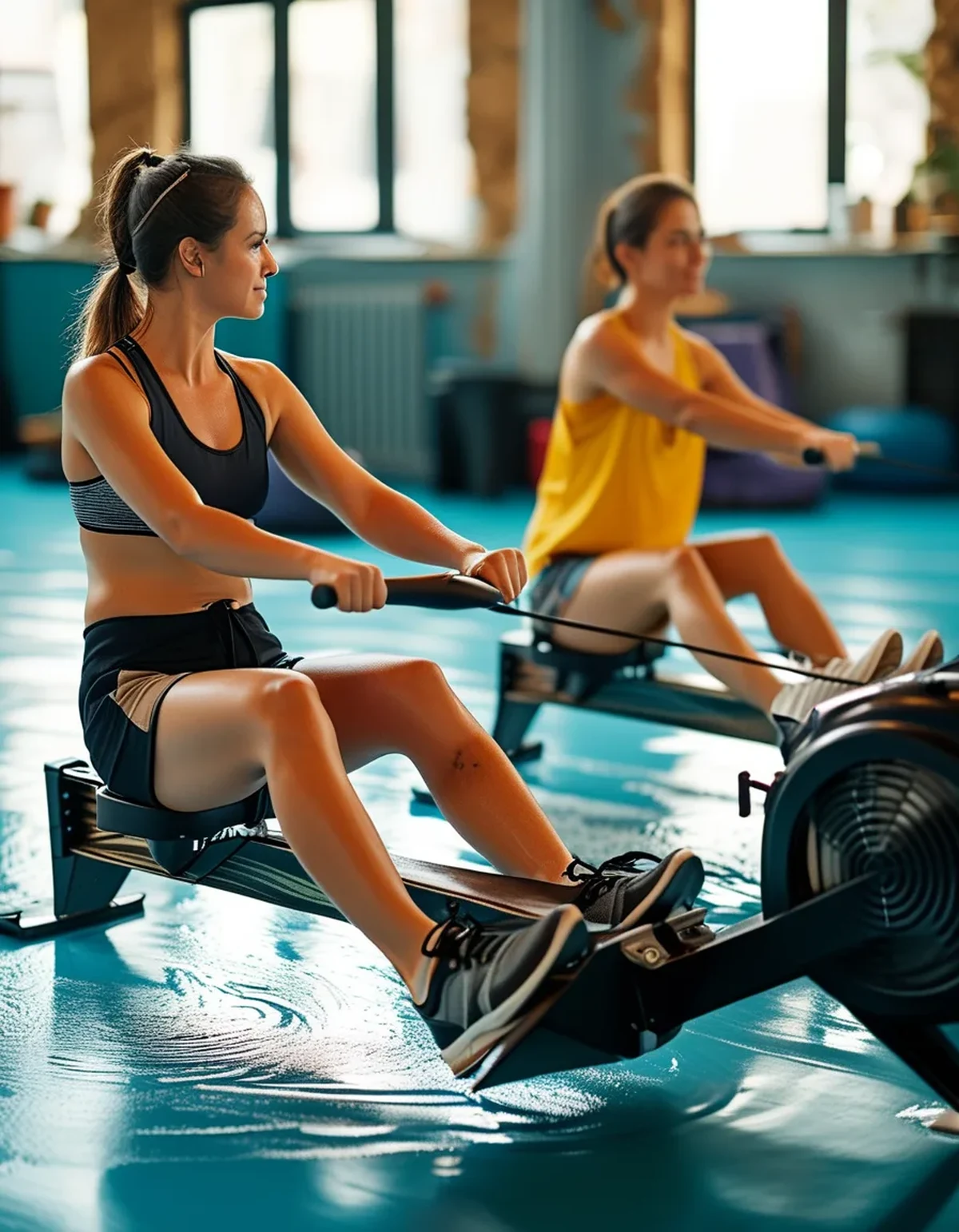
Myth: Rowing barefoot is more natural and therefore better. Fact: The erg footplate is an engineered surface designed around a shod foot, with a heel cup at a fixed height and a strap positioned for a shoe. Barefoot on an erg is not the same thing as barefoot on the ground — you are working against equipment geometry rather than with it.
Myth: Socks make you feel the drive better. Fact: You do get more direct sensation, which some people genuinely value for learning to push through the whole foot. But sensation is not the same as force transfer, and the forefoot hot spot on longer pieces is a real limiter.
Myth: If your feet go numb, the straps are too tight. Fact: Usually true, but the underlying cause is often that they are too tight because you are in socks and the strap has nothing structural to grip. Put shoes on and the same security requires less tension.
Myth: Elite rowers do it this way, so I should. Fact: Elite rowers on the erg overwhelmingly wear shoes, but they also have the ankle mobility to make either work and the technique to hold a deep catch. Copying the choice without the mobility copies the wrong half.
Which should you actually use?
Wear shoes if: you have limited ankle dorsiflexion, you round your lower back at the catch, you do pieces longer than about 15 minutes, your feet go numb, or you are training for anything where you want consistent comparable data.
Rowing in socks is reasonable if: you have good ankle mobility, you keep sessions short, and you are specifically working on feeling foot pressure through the drive. It can be a useful drill — a few minutes at the start of a session to feel where your weight sits — without being your default.
If you wear shoes, choose the flattest ones you own. A thick cushioned running shoe is the worst common option: it raises the heel a lot, compresses under load so some of your drive disappears into foam, and is bulky under the strap. A flat trainer, a lifting shoe, or an old thin sneaker is better.
Set the footplate height for the shoe you use. The standard guidance is that the strap should cross the ball of your foot. Most people set this once, then change shoes and never adjust — which is how a correct setup silently becomes wrong.
Whatever you pick, pick it for the whole training block. The consistency is worth more than the marginal advantage of either option.
FAQ: Erg Footwear Questions, Answered
Will shoes make my erg score better?
Possibly by a small margin if your ankle mobility is limiting your catch, and for most recreational rowers that is the case. Do not expect a transformation — expect a slightly more repeatable position and fewer numb feet on long pieces.
Why do my feet fall asleep on the rowing machine?
Almost always strap tension combined with strap position. Loosen it one notch, move the footplate so the strap crosses the ball of the foot rather than the arch or toes, and wear something with structure under the strap.
Should I change footplate height when I change shoes?
Yes. A thicker sole effectively raises your foot, so the strap ends up lower on the foot than intended. It takes five seconds to check and it is the most-skipped setup step on the machine.
TL;DR:
- Shoes raise the heel, stiffen the sole, and give the strap something structural to hold — all three change your catch angle and force transfer.
- Socks give a deeper catch that most recreational rowers cannot hold with good posture, plus a forefoot hot spot and numbness from over-tight straps.
- Switching between them mid-block makes splits and stroke rate look inconsistent for no real reason.
- Choose flat shoes over cushioned ones, and reset footplate height whenever footwear changes.
Pick one, set the footplate for it, and leave it alone for the block. Half of erg inconsistency is not fitness — it is setup drift.
Keep Reading
This article is for general informational and styling purposes only. Fit, sizing, and product availability may vary.