Why Your Hands Blister on the Rower
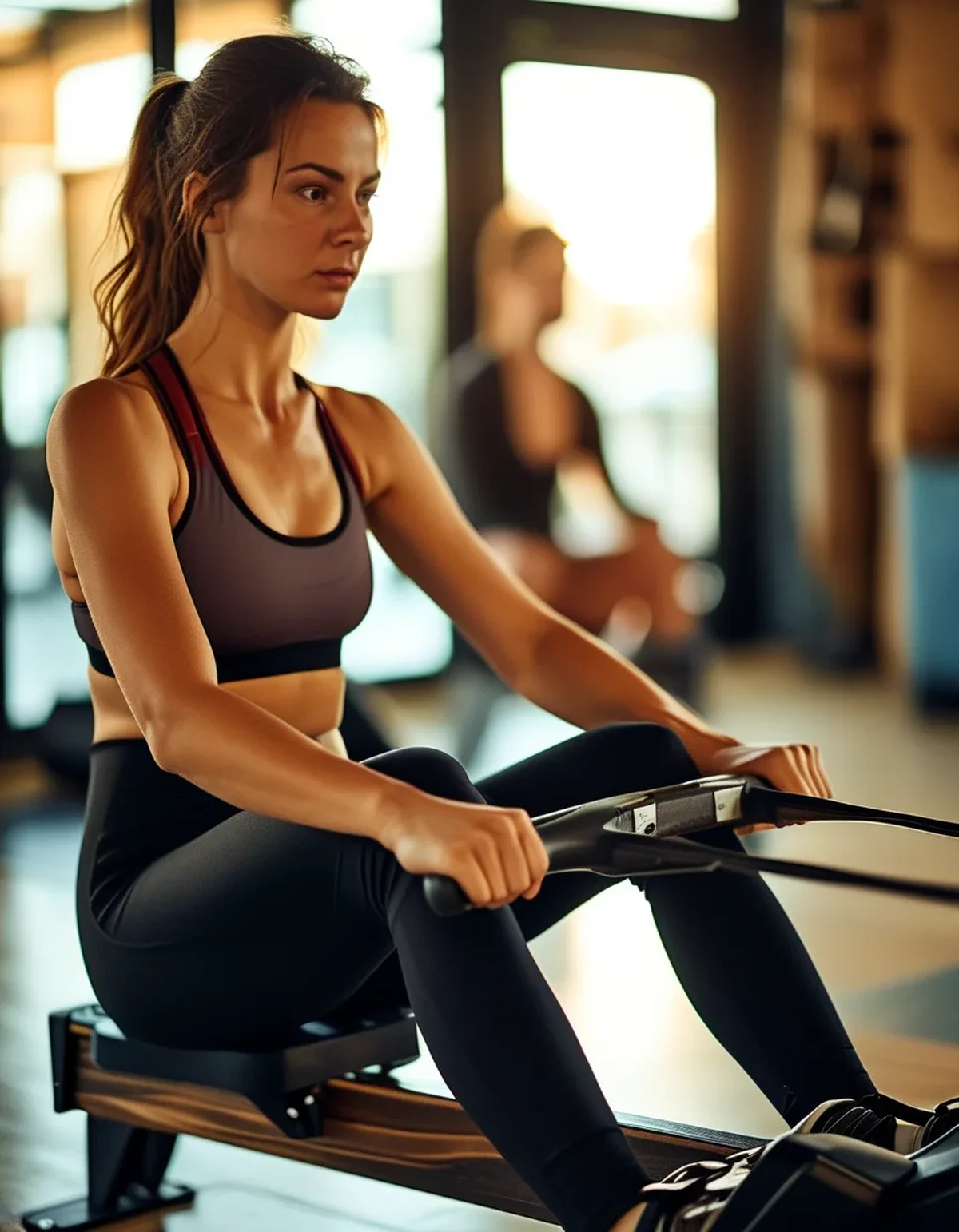
Quick Answer: Blisters come from friction plus rotation, not from pressure. On a rower, that means the handle is turning slightly inside a closed fist — usually because you are gripping too tightly, hooking your thumb over the top, or letting your wrists break at the finish. Hold the handle in your fingers, not your palm, keep wrists flat, and let the handle rotate freely under relaxed fingers on the recovery. The location of the blister tells you which of these is the problem.
Twenty minutes on the rower and your palms are raw.
Your legs feel fine.
That combination is the whole diagnosis.

Why do blisters form on a rower specifically?
Because the handle moves relative to your skin, over and over, under load.
Friction, not pressure, causes blisters. Skin layers shear against each other when something slides across the surface repeatedly. A heavy static hold does not blister; a moving handle does.
The handle rotates during the stroke. As you draw through and release, the handle naturally turns a few degrees. If your grip is locked, the skin has to absorb that rotation instead of the handle turning freely.
Stroke count is enormous. A 5,000m piece is roughly 500 strokes. Almost no other gym exercise repeats a loaded hand position that many times in twenty minutes.
Sweat multiplies it. Damp skin has a much higher coefficient of friction than dry skin, which is why blisters appear late in a session rather than early.
Death-gripping is the root cause. A tight fist means the handle cannot rotate independently, so every degree of rotation is taken by your skin.
And a tight grip usually means the pull is coming from the wrong place — arms and shoulders instead of legs. The blister is a symptom of a sequencing problem.
What does the location of the blister tell you?
Each spot points at a specific fault.
Base of the fingers, across the pads: this is the normal contact area and mild callusing there is expected. Blisters here usually mean grip tension is high — you are squeezing rather than hooking.
Centre of the palm: the handle has slid back into your palm. It should sit across the finger pads, not in the hollow of the hand. This one is common and easy to fix.
Base of the thumb or the web between thumb and index finger: you are wrapping the thumb over the top of the handle. Thumbs should sit lightly underneath, not clamped over.
Inside the fingers, near the second knuckle: wrists are breaking at the finish, curling the handle inward and dragging the skin.
One hand only: an asymmetry — usually an uneven pull, a slightly rotated torso, or a dominant arm working harder. Worth filming a stroke from behind.
Seasonal note: blisters spike in cool weather because dry, cold hands have less elasticity and skin that has not been exposed to friction for months. The first sessions after a break are the highest-risk ones, regardless of technique.
How do you fix the grip itself?
Four adjustments, in the order they matter.
Hook, do not squeeze. Think of your fingers as hooks over the handle rather than a fist around it. You need just enough tension not to drop it. Most people use two or three times more grip force than the load requires.
Thumbs underneath and relaxed. Lightly resting under the handle, not clamped over the top.
Flat wrists through the whole stroke. A straight line from forearm to knuckles. Curling the wrists at the finish is one of the most common faults and it produces both blisters and forearm fatigue.
Let go slightly on the recovery. The moment the handle passes your body, grip pressure should drop to almost nothing. This one change alone resolves most blistering, because the recovery is where the handle rotates most.
Fix the sequencing behind it. Legs, then body swing, then arms. If your arms bend early, they end up holding a load that the legs should have carried, and grip tension follows automatically.
Practical drill: row 500m at low rate and deliberately open your fingers slightly at the finish of each stroke. It feels precarious for about ten strokes and then feels normal.
5 Mistakes That Cause Rowing Blisters
Holding the handle in the palm. It should sit across the finger pads. This is the single most common cause and takes one session to correct.
Thumbs over the top. Produces a blister in the web of the hand within a few thousand metres.
Gripping hard through the recovery. The pull needs grip. The return does not. Almost nobody relaxes here.
Rowing with sweaty hands and no break. Wiping your hands and the handle at intervals genuinely reduces friction. On long pieces, do it.
Taping over a hot spot too late. Tape prevents blisters; it does very little once one has formed. If you feel heat in a spot, stop and tape it then, not at the end.
And the one nobody warns you about: brand new handles and freshly cleaned handles are grippier than worn ones. Your first session on a new machine can blister hands that have been fine for months, and it is the machine that changed, not you.
FAQ: Rowing Hand Questions, Answered
Should I wear gloves?
Most coaches say no. Gloves add a layer that can slide, mask poor grip habits, and reduce feel for the handle. Tape on specific spots is the usual solution.
What about calluses — good or bad?
Moderate calluses are protective. Thick raised ones are not; they catch and tear. File them down periodically.
Should I pop a blister?
Generally leave intact blisters alone and cover them. If one has already torn, clean it, cover it and keep it dry. See a professional if it becomes red, hot or unusually painful.
How long until my hands adapt?
Usually two to four weeks of consistent rowing. If they never adapt, the grip technique is the problem, not the skin.
Can I row with a blister?
Yes, taped, and ideally at lower intensity. It is also a good opportunity to practise a relaxed grip, since gripping hard will hurt.
Does damper setting affect blistering?
Indirectly. A very high damper increases load per stroke and tempts a tighter grip. Most people are better off at a moderate setting anyway.
This is general information, not medical advice.
TL;DR:
- Blisters come from friction and rotation, not effort — they signal a grip problem, not a hard workout.
- Hold the handle across the finger pads, thumbs underneath, wrists flat.
- Relax your grip on the recovery; this alone fixes most blistering.
- Blister location diagnoses the fault: palm means the handle slid back, thumb web means you are wrapping over.
- Tape a hot spot when you feel it, not after the session.
Next session, row 500m deliberately loosening your fingers at each finish. Your hands and your split time will both thank you.
Keep Reading
This article is for general informational and styling purposes only. Fit, sizing, and product availability may vary.